Skip to content
You're probably doing what most buyers do before paying for French lessons. Opening Reddit, searching for the best online French course Reddit recommends, and then getting buried under conflicting opinions from hobby learners, exam preppers, travelers, and people who think one app can do everything.
I've spent a lot of time sifting through those threads, and the pattern is consistent. Reddit is useful for spotting recurring praise and recurring complaints, but it's noisy. That matters because Reddit has become a major discovery channel in language learning as the platform scaled to 97.2 million daily active unique visitors in Q2 2024, and large communities like r/French and r/languagelearning have years of course discussions that function like an ongoing peer review of what learners purchase and stay with.
The short version is simple. Reddit tends to reward tools that solve a real bottleneck. Speaking confidence, accountability, grammar gaps, or consistency. It usually punishes tools that promise a complete solution but only handle one part of learning well.
So instead of repeating Reddit chaos, I've turned it into a practical buying guide. These are the online French courses and platforms that come up again and again for good reasons, plus the trade-offs people often miss before they pay.
Table of Contents
- 1. Elite French Tutoring
- 2. italki
- 3. Lingoda
- 4. Alliance Française U.S. chapters
- 5. Duolingo
- 6. Pimsleur French
- 7. Assimil
- 8. Kwiziq French
- 9. FrenchPod101
- 10. Coffee Break French Coffee Break Academy
- Top 10 Online French Courses, Comparison
- Final Thoughts
1. Elite French Tutoring
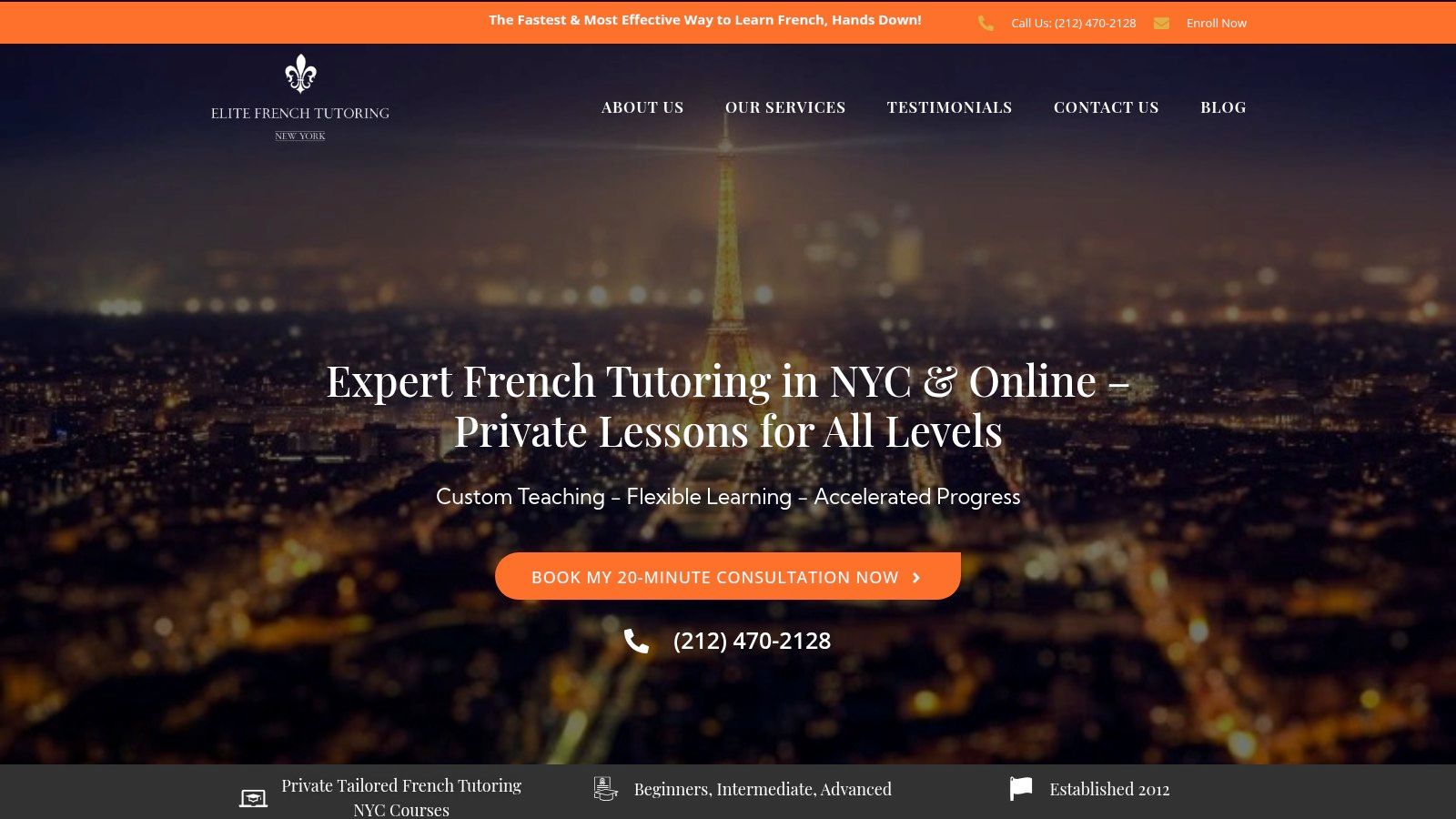
A common Reddit scenario goes like this. Someone has finished a streak on an app, recognizes a lot of French on the page, then freezes the moment a real conversation starts. That pattern shows up so often that it helps separate course recommendations into two groups. Content-heavy tools that build exposure, and live instruction that fixes speaking, correction, and accountability problems directly.
Elite French Tutoring falls into the second group. The service is built around personalized lessons, real-time feedback, and a plan shaped to the learner's actual goal. That matters because “learn French” is rarely the true brief. Reddit users are usually trying to relocate, prepare for an exam, support a child in school, handle work meetings, or finally speak without hesitating every ten seconds.
Why it stands out
What I find useful here is the level of tailoring. The program starts with a consultation, then adjusts lessons around business French, conversation practice, school support, relocation needs, or DELF and DALF preparation. That is a different buying decision from purchasing a fixed course library and trying to force yourself through it alone.
This option represents a high-touch, personalized approach. You get direct instruction from native tutors, correction while you speak, and a learning plan that can change as your strengths and weak spots become clearer.
That trade-off is important.
Reddit advice often gets messy because people recommend what worked for them, not what fits your bottleneck. A disciplined self-starter might do well with an app and a textbook. A learner who keeps stalling at speaking usually gets more value from scheduled lessons and live feedback.
Practical rule: If speaking is your bottleneck, buy live correction before you buy more content.
The company offers online lessons worldwide and in-person lessons in New York and Washington, D.C. It also works with adults, children, teens, corporate teams, and exam candidates. That breadth makes it a realistic option for households or professionals who need something more specific than a general consumer app.
Best fit
I put this kind of service in the “pay for precision” category. It fits learners who want structure, regular accountability, and a teacher who can correct mistakes before they become habits. It also suits buyers who are tired of sorting through scattered Reddit advice and would rather start with a guided plan.
There is a clear downside. Pricing is not listed publicly, so comparison shoppers cannot evaluate cost upfront the way they can with an app subscription. For some buyers, that will be enough reason to skip it. For others, especially those comparing one-to-one instruction rather than self-study tools, the consultation step is a reasonable way to test fit before committing.
What works well
- Customized instruction: Lessons are built around your goal instead of a fixed lesson path.
- Live correction: Good fit for learners who need speaking feedback, not more passive input.
- Built-in accountability: Regular sessions help people who start strong and fade out.
- Flexible delivery: Online worldwide, with in-person options in select cities.
What doesn't
- No public pricing: You need to contact the company for rates and packages.
- Limited in-person geography: Face-to-face lessons depend on where you live.
2. italki
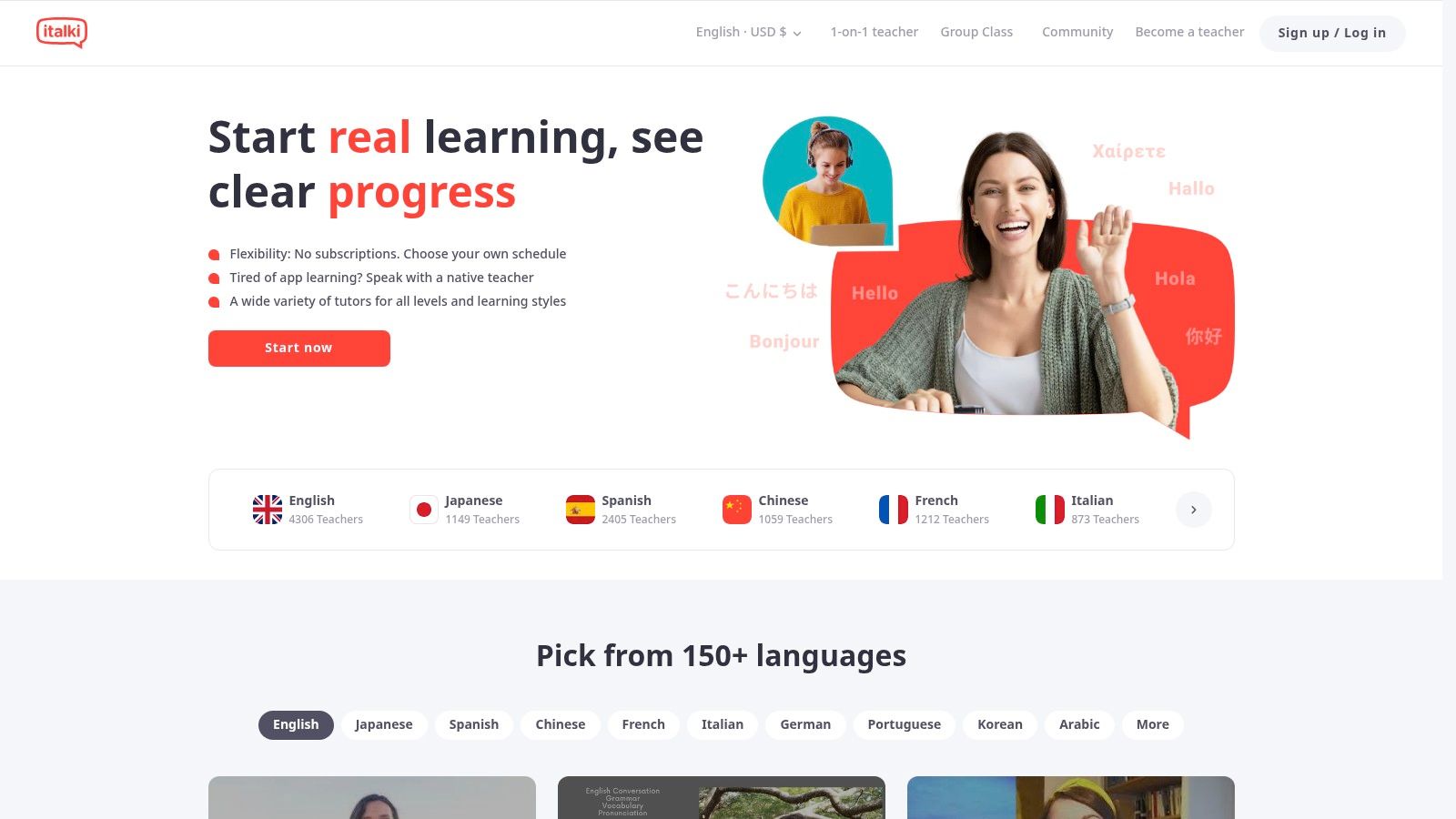
italki is Reddit's classic answer for learners who know they need to speak more but don't want to commit to a single school. It's a marketplace, not a tightly managed program, and that distinction matters.
You get access to professional teachers and community tutors, searchable profiles, intro videos, ratings, and flexible scheduling. For buyers with specific goals, that's powerful. You can find someone for travel French, interview prep, conversation maintenance, or exam practice and switch if the fit isn't right.
What Reddit gets right about it
Reddit usually recommends italki for practical speaking, not for complete beginner hand-holding. I think that's accurate. italki works best when you already know what you want from a teacher, or you're willing to test a few before settling.
The upside is flexibility. The downside is quality variation. A great italki teacher can be excellent. A mediocre one can leave you drifting without structure.
A marketplace gives you choice. It also gives you the job of quality control.
Best reasons to buy
- Teacher variety: You can match by teaching style, budget, accent, and availability.
- Low commitment: Trial lessons make it easier to test fit.
- Goal-specific lessons: Strong option for speaking bottlenecks.
Main drawback
- No built-in roadmap: You and the teacher create the structure, which can be a strength or a weakness.
3. Lingoda
Lingoda suits buyers who want live classes but don't want the randomness of an open tutor marketplace. It feels closer to an online language school. You get CEFR-aligned progression, level placement, lesson materials, and frequent class availability across time zones.
That structure is why Reddit often compares Lingoda with italki. The practical difference is simple. Lingoda gives you more predefined progression. italki gives you more teacher freedom.
Where Lingoda works best
Lingoda is a good buy for learners who don't want to design their own path. If you know you'll procrastinate unless the curriculum already exists, this model helps. Group classes can also be useful if you like routine and don't mind sharing speaking time.
The catch is that the group experience can feel uneven. If your classmates are weaker, stronger, or just less talkative, the pace may not match what you need. The Sprint-style promotions also attract attention, but they only work if you're disciplined enough to follow strict attendance rules.
Why people choose it
- Structured curriculum: Better than marketplaces for buyers who want a clear path.
- Frequent scheduling: Easier to fit around work or study.
- Live instruction: Keeps pressure on your speaking and listening.
Why some leave
- Group pacing issues: Not everyone likes learning at the speed of a class.
- Strict promo conditions: Incentives can backfire if your schedule is unstable.
4. Alliance Française U.S. chapters
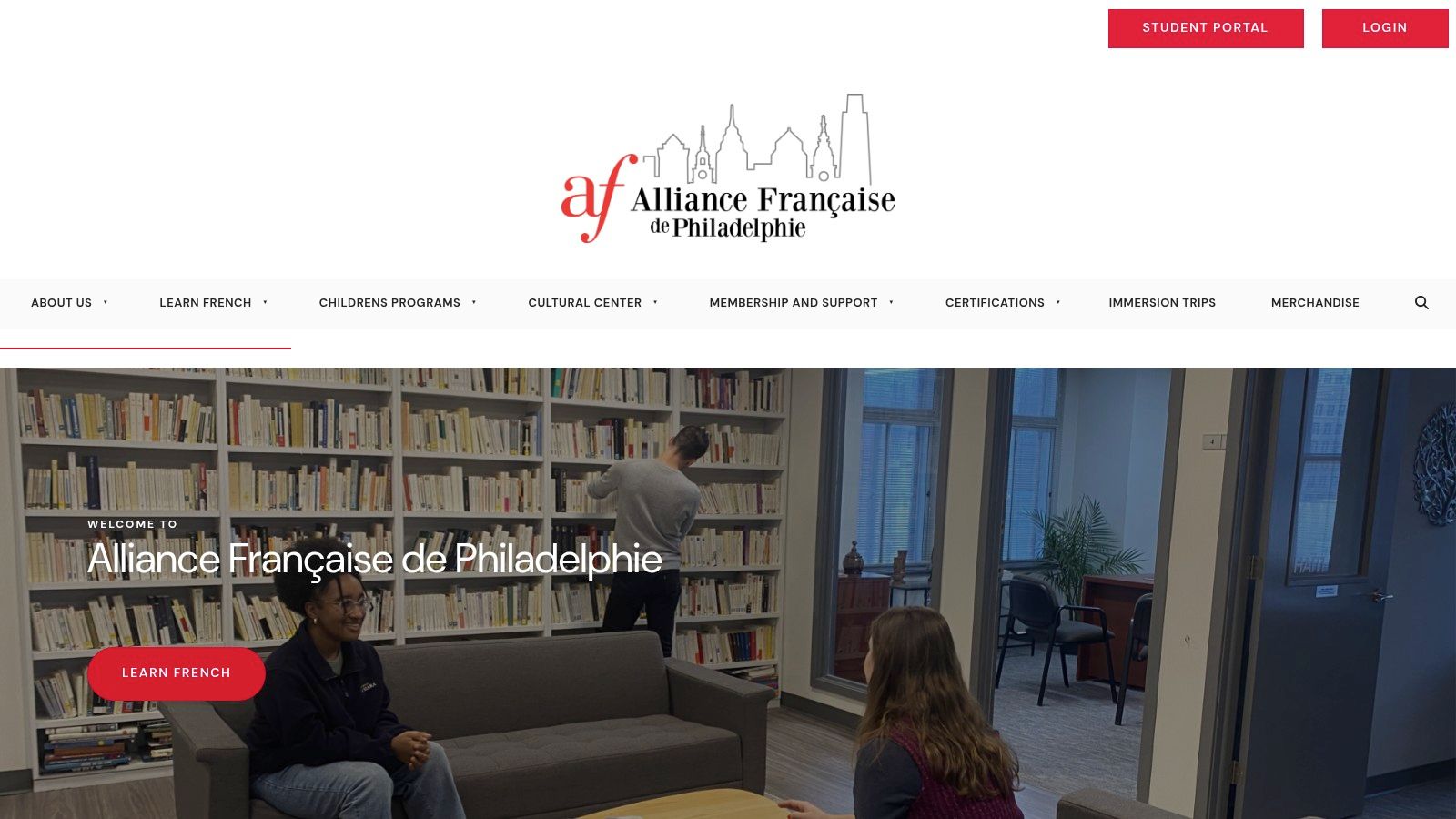
If you're the type of buyer who trusts institutions more than platforms, Alliance Française Philadelphia is a good example of why Alliance Française stays in the Reddit conversation. U.S. chapters typically offer CEFR-aligned classes, placement testing, workshops, private lessons, exam prep, and cultural programming.
This is a more traditional purchase. You're buying formal instruction and a recognized classroom structure rather than maximum flexibility.
Why buyers choose it
Alliance Française tends to appeal to adults who want legitimacy and predictability. Parents often like it for the same reason. If you want a curriculum that feels closer to a school than a startup app, it's a strong option.
I'd put it above many self-study products for learners who need a clear sequence and an external schedule. But I'd put it below private tutoring for learners who need highly individualized speaking correction or a fast-moving personalized pace.
For buyers who know they learn better in a classroom rhythm, formal structure is a feature, not a limitation.
Strong points
- Established teaching format: Familiar, reputable, and curriculum-led.
- Exam alignment: Useful for DELF/DALF-oriented learners.
- Community feel: Cohort learning helps some students stay engaged.
Trade-offs
- Fixed schedules: Less flexible than apps or private tutors.
- Chapter variation: Prices and formats vary by location.
5. Duolingo
Duolingo shows up in Reddit threads for a simple reason. Many learners have already tried it, formed a strong opinion, and then argued past each other.
That makes it easy to misread the advice. In long Reddit discussions, I usually see two camps. One group credits Duolingo for helping them study every day. The other group is frustrated that months of lessons did not turn into real conversation. Both are describing the product accurately. They are just judging it against different goals.
Duolingo reported 37.2 million daily active users, 103.6 million monthly active users, and 11.5 million paid subscribers in Q3 2024. That scale matters because it explains why Reddit produces so much noisy advice about it. A huge user base creates more anecdotes, but not always better evaluation. The useful question is narrower. What job does Duolingo do well for a French learner?
For French, Duolingo works best as a habit tool and review layer. It lowers the barrier to starting. Five minutes feels manageable, and that matters more than people admit. I have seen learners keep French alive with Duolingo during busy stretches, then make faster progress later because they never fully lost contact with the language.
Its ceiling is also clear. It does not give the kind of speaking correction, open-ended writing feedback, or accountable progression that Reddit users often want once they get serious.
Who should use it
Duolingo makes sense for learners who need consistency more than intensity. It is a practical buy for beginners, rusty returners, and busy adults who want daily exposure without planning a full study session.
It makes less sense as a primary course for someone whose main goal is conversation. Reddit gets this part right more often than not. If posts praise Duolingo for motivation, streaks, and ease of use, that is usually credible. If posts present it as a complete route to confident spoken French, I would discount that advice.
Good fit if
- You need a daily study trigger: Short lessons make it easier to keep showing up.
- You want low-friction review: Vocabulary and sentence patterns stay active with regular use.
- You are building a larger system: It pairs well with tutoring, classes, or grammar study.
Weak fit if
- You need speaking feedback: The app will not correct your phrasing like a teacher or tutor.
- You want deep explanations: Grammar coverage is functional, not detailed.
- You are relying on Reddit hype alone: Check whether the person recommending it reached your target outcome.
6. Pimsleur French
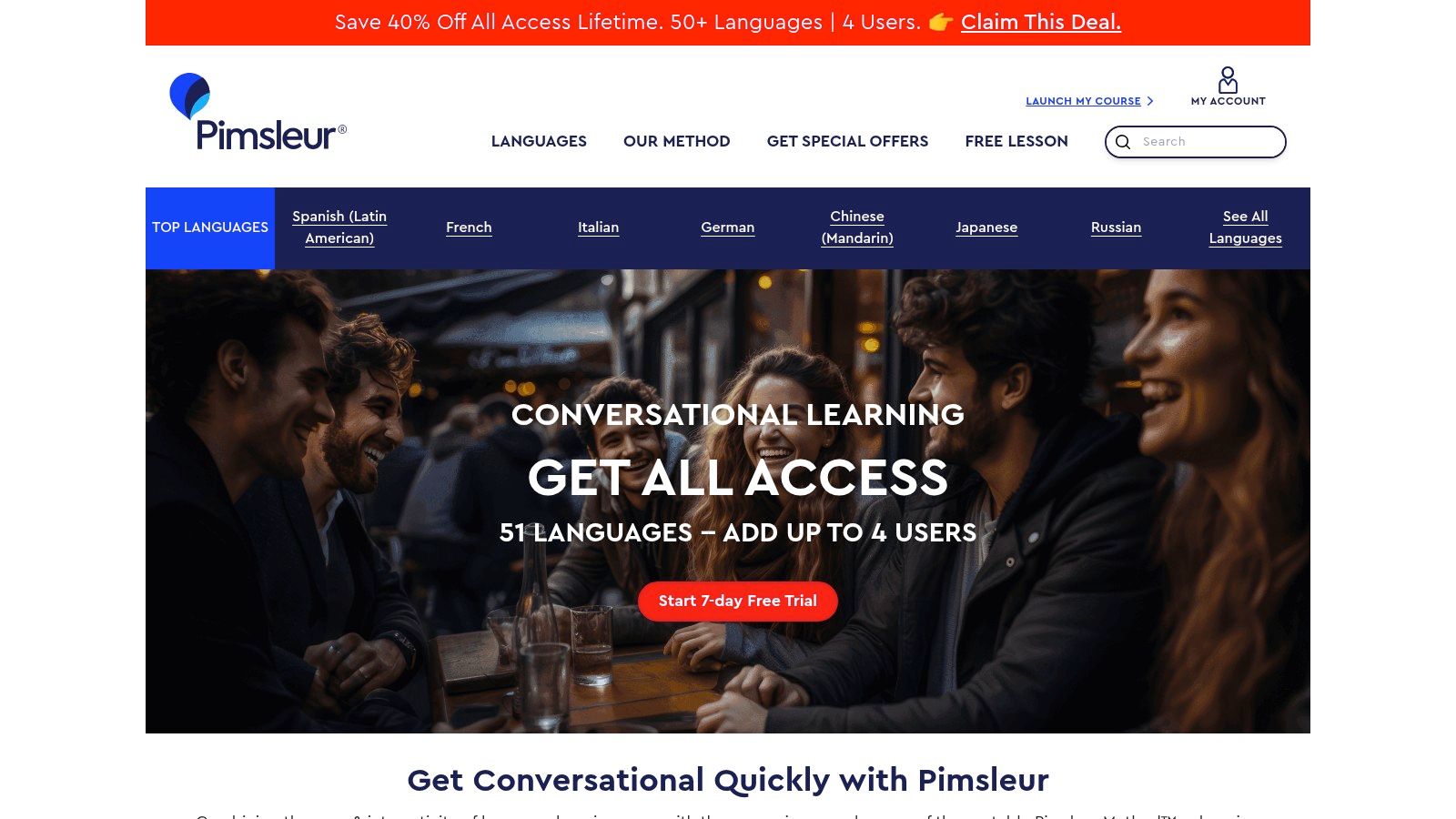
Pimsleur French gets recommended on Reddit by people who need language learning to fit inside a busy life. Commutes, walks, chores, lunch breaks. It's audio-first, and that makes it unusually practical for adults who can't sit at a desk every evening.
The method is built around graduated recall and spoken response. That means it pushes you to say things out loud instead of only recognizing them on a screen.
Who gets the most value
Pimsleur is one of the better purchases for learners who freeze when they have to produce French aloud. It's strong for pronunciation, rhythm, and early speaking confidence. It's also one of the few tools people consistently stick with because it doesn't demand visual attention.
Its weakness is just as clear. You won't get enough reading, explicit grammar explanation, or broad writing practice from this alone. I usually see it work best as the speaking-and-pronunciation half of a larger setup.
Why it earns recommendations
- Audio convenience: Great for learners with limited screen time.
- Output focus: Gets you speaking, not just tapping.
- Pronunciation support: Better than many text-heavy tools.
Why it's rarely enough alone
- Thin grammar explanation: Some learners want rules made explicit.
- Limited literacy work: You'll need another tool for reading depth.
7. Assimil
Assimil has a very different personality from most modern apps. It's calmer, more text-and-audio driven, and more dependent on your discipline. That's exactly why some Reddit learners love it.
Its dialogue-based structure gives you graded exposure to natural language, concise explanations, and a progression that often feels more coherent than gamified products. For serious self-learners, that's a real advantage.
What makes it different
Assimil is a strong buy if you like learning from dialogues, reading, shadowing, and steady accumulation. It tends to serve beginners through lower-intermediate learners well, especially those who want something more substantial than app drills.
But it won't entertain you into consistency. If you need reminders, streaks, and instant dopamine, this probably won't stick. And if speaking is your main goal, you'll still want live practice elsewhere.
Best reasons to choose it
- Solid self-study structure: Good for learners who want a real course feel.
- Natural dialogues: Helpful for comprehension and phrasing.
- Clear notes: Stronger explanations than many casual apps.
Reasons to skip it
- Low interactivity: You have to bring your own discipline.
- No live correction: Speaking improvement depends on outside practice.
8. Kwiziq French
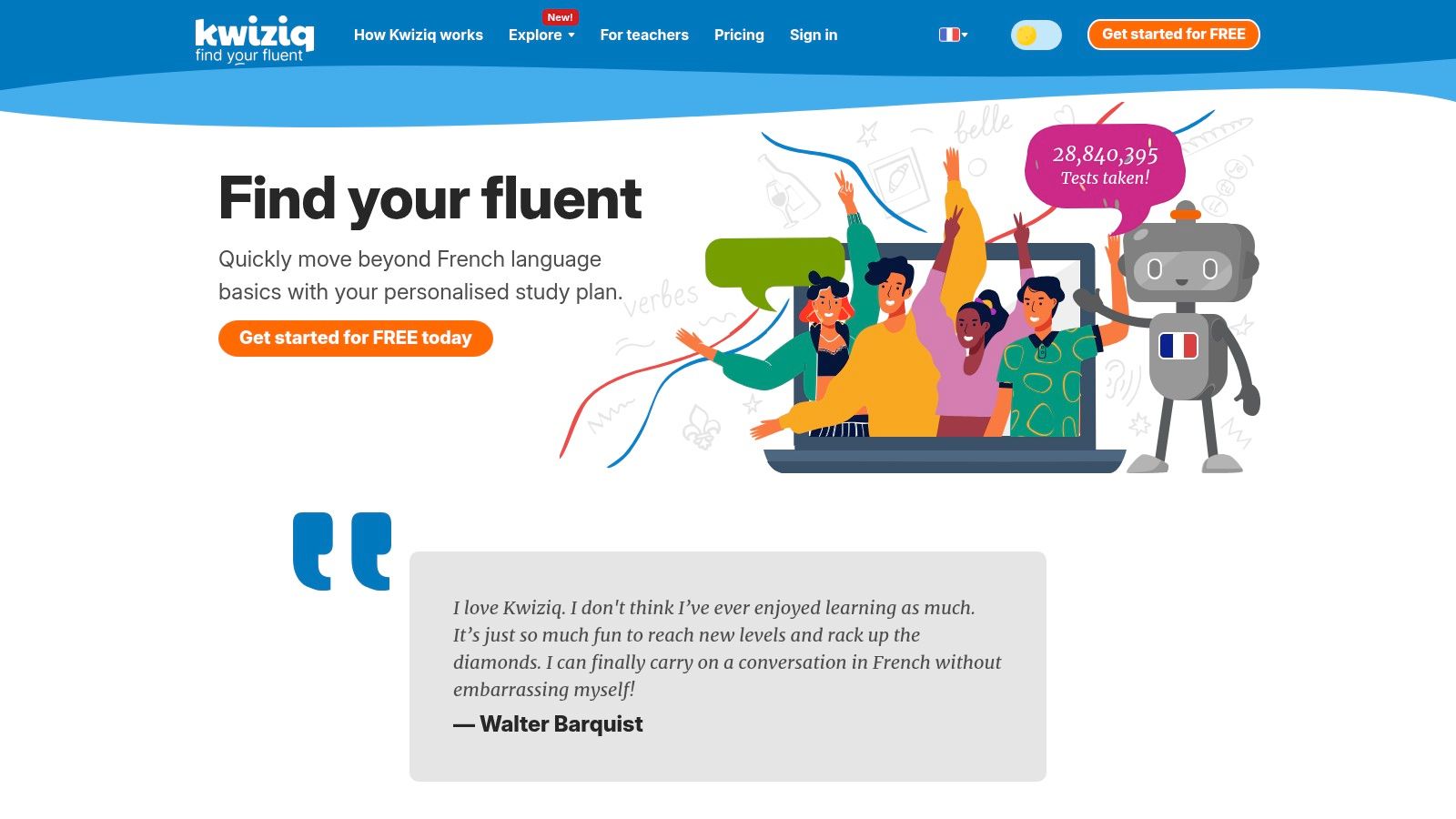
Kwiziq French is the specialist on this list. It's not trying to be your everything tool. That's part of why it gets respect from experienced learners.
Its focus is grammar diagnostics and targeted practice. If your French feels messy, inconsistent, or full of recurring mistakes you can't isolate, Kwiziq often solves that better than broad all-purpose apps.
Where it earns its keep
This is the tool I'd point buyers toward when they say, “I can understand a lot, but I keep making the same grammar mistakes.” It's also a sensible companion for DELF/DALF learners who need systematic cleanup.
The caution is obvious. Grammar mastery doesn't automatically create speaking ease. Kwiziq can sharpen your accuracy, but it doesn't replace live communication practice.
Buy Kwiziq when your problem is precision. Don't buy it expecting conversation confidence by itself.
Great for
- Grammar gap diagnosis: You can target weak points instead of guessing.
- Measured progress: Feels more systematic than casual review apps.
- Companion use: Pairs well with tutors and speaking platforms.
Less ideal for
- Conversation-only goals: You won't get enough real output practice.
- Learners who hate grammar study: Its strength is also its limitation.
9. FrenchPod101
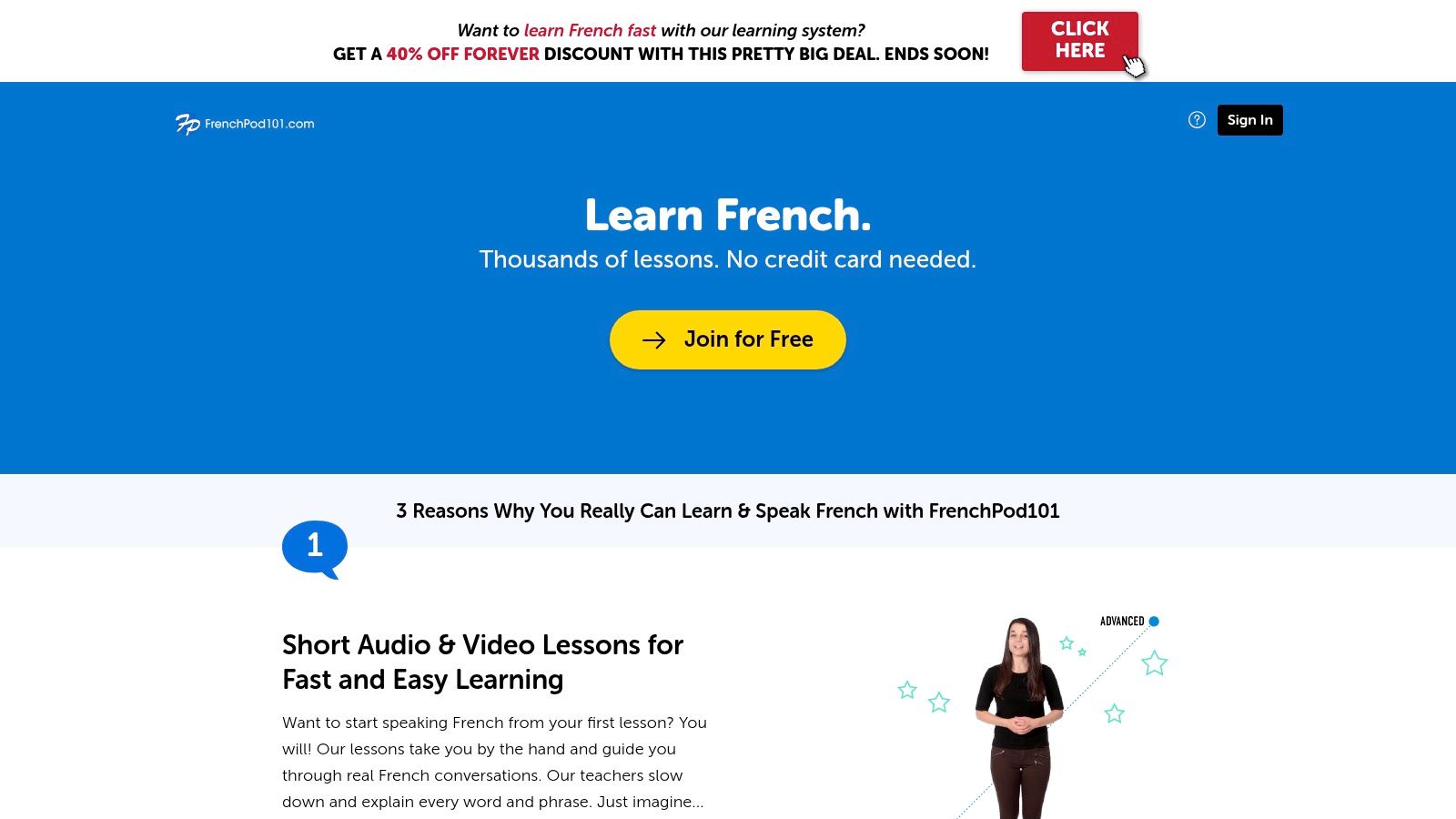
FrenchPod101 works best for buyers who want a large content library they can dip into by level, topic, or format. Audio and video lessons, transcripts, notes, vocab tools, and themed pathways give it broad practical appeal.
Reddit usually recommends it for listening exposure and vocabulary expansion rather than as a single complete system. I think that's the right frame.
What to expect before buying
The main strength is breadth. If you like having lots of lesson choices and want to keep feeding your ears French, there's plenty here. That makes it useful for intermediate learners who need more thematic input.
The weakness is also breadth. Some users find the platform sprawling, and not every lesson series feels equally strong. If you need one crystal-clear path, a more guided product may suit you better.
Good reasons to subscribe
- Large lesson library: Useful for varied interests and flexible study.
- Listening support: Strong for comprehension practice.
- Transcript access: Helpful for active review.
Potential frustration
- Navigation overload: Too much choice can slow some learners down.
- Feature gating: You need to check what's included in the plan you want.
10. Coffee Break French Coffee Break Academy
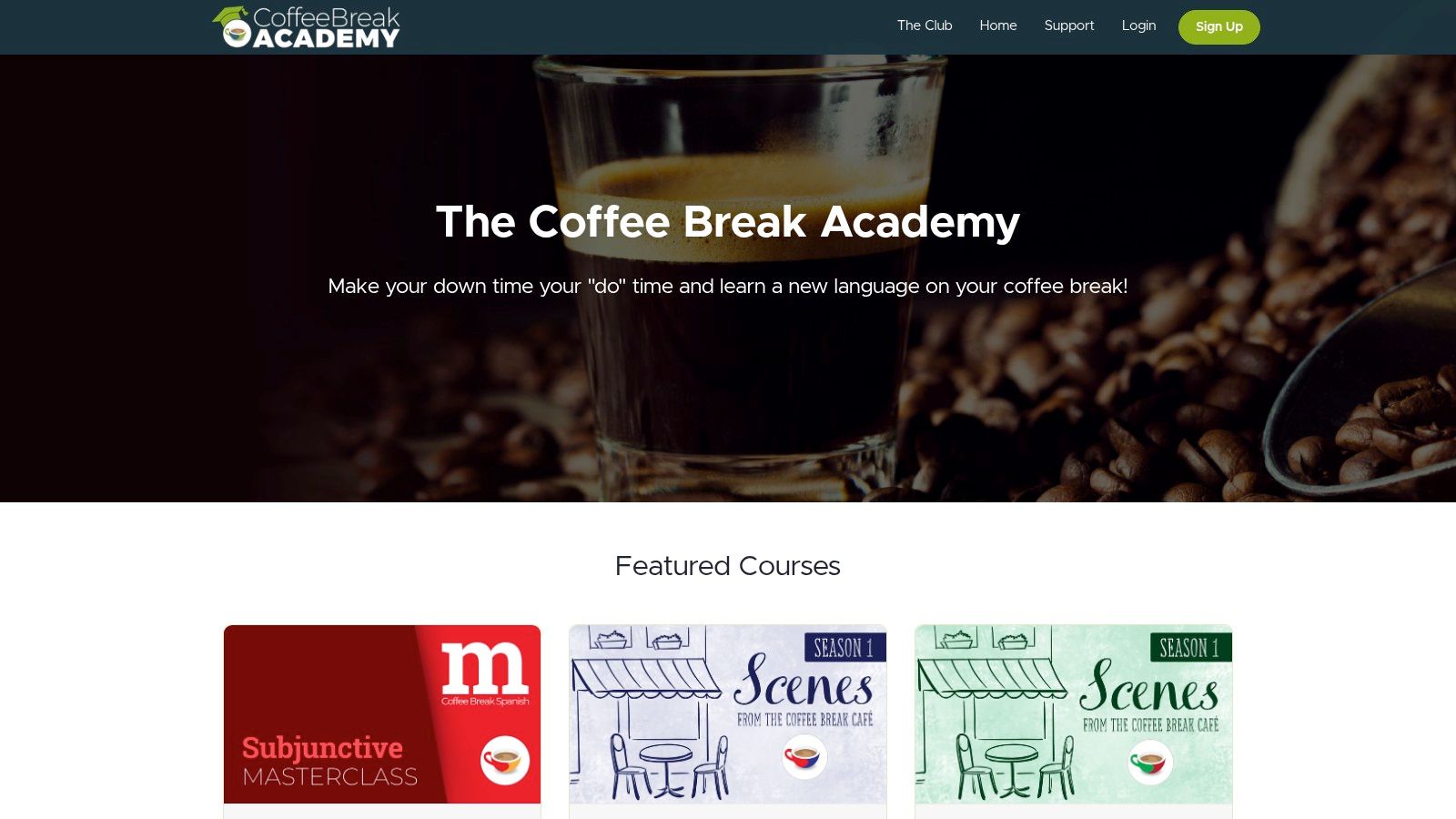
Coffee Break Academy is one of the easiest recommendations for buyers who want polished, approachable audio learning with an upgrade path into paid course bundles. It often comes up in Reddit threads because it feels manageable. That matters more than many marketers admit.
The podcast-led format is friendly, well produced, and easy to keep using. For beginners and lower-intermediate learners, that often translates into better consistency than heavier programs.
Who should choose it
This is a good buy if you want useful phrases, guided listening, and a low-pressure way to keep French in your week. It also fits commuters and casual learners who want quality without the intensity of a formal class.
Where I'd hesitate is if your goal is fast speaking improvement or high-stakes exam preparation. It's a strong supporting resource, but not the first thing I'd buy for live correction or rigorous personalization.
Why it appeals
- Engaging format: Easier to stick with than dry courses.
- Story-led learning: Helps comprehension and retention.
- Flexible access: Convenient for busy schedules.
Why some buyers outgrow it
- Add-on costs: Paid seasons and bundles can accumulate.
- Limited direct feedback: Better as a complement than a complete solution.
Top 10 Online French Courses, Comparison
| Service | Core offering & unique features ✨ | Quality / Experience ★ | Best for 👥 | Value & Pricing 💰 |
|---|---|---|---|---|
| Elite French Tutoring 🏆 | 1:1 native expert tutors; fully customized curriculum; in‑person NYC/D.C. + global online; free 20‑min consult ✨ | Proven results; strong testimonials ★★★★★ | Busy professionals, execs, diplomats, families, DELF/DALF candidates 👥 | Premium bespoke pricing, contact for quote; free consult 💰 |
| italki | 1:1 marketplace of pro teachers & community tutors; searchable profiles & trial lessons ✨ | Tutor-dependent; ratings & intro videos ★★★★ | Flexible speaking practice; varied budgets; trial & switch tutors 👥 | Pay-per-lesson; wide price range; trial discounts 💰 |
| Lingoda | Live CEFR-aligned small-group or 1:1 classes; structured progression & Sprint promos ✨ | Consistent curriculum; certificates available ★★★★ | Learners who want clear level progression & schedule 👥 | Subscription / class packages; Sprint cashback offers 💰 |
| Alliance Française (U.S. chapters) | CEFR courses, placement tests, DELF/DALF prep & cultural programming ✨ | Reputable institutional instruction; qualified teachers ★★★★ | Classroom learners seeking formal instruction & culture 👥 | Prices vary by chapter; often mid–high per term 💰 |
| Duolingo | Gamified bite-sized lessons, streaks, audio stories & progress tracking ✨ | Great habit-builder; limited conversation depth ★★★ | Absolute beginners & daily practice; supplement tool 👥 | Free core; Super/Max paid tiers & family plans 💰 |
| Pimsleur French | Audio-first graduated‑recall 30‑min lessons; offline mobile support ✨ | Excellent for pronunciation & spoken confidence ★★★★ | Commuters, auditory learners, speaking practice 👥 | Subscription or lifetime license options; mid-range 💰 |
| Assimil | Dialogue-based self-study (book+audio) with active translation phase ✨ | Solid beginner→lower‑intermediate path when followed ★★★★ | Self-motivated learners focusing reading/listening 👥 | One-time purchase (book+audio) or e-course 💰 |
| Kwiziq French | AI "Brainmap" diagnostics, personalized grammar plans & targeted kwizzes ✨ | Strong for grammar mastery & measurable progress ★★★★ | Grammar-focused learners & DELF/DALF prep 👥 | Free tier; paid plans for unlimited practice 💰 |
| FrenchPod101 | Large audio/video lesson library with transcripts, SRS flashcards ✨ | Extensive listening content; quality varies ★★★ | Listening & thematic vocabulary builders; busy schedules 👥 | Subscription tiers; many free lessons plus paid features 💰 |
| Coffee Break French | Polished podcast series + optional course bundles, transcripts & lesson notes ✨ | Engaging, well-produced audio; story-led lessons ★★★★ | Beginner→intermediate commuters and story learners 👥 | Core podcast free; paid seasons/bundles à la carte 💰 |
Final Thoughts
You open Reddit to find the best online French course, and within ten minutes you have five tabs open, three contradictory opinions saved, and no clearer idea what to buy. That pattern is normal. Reddit is useful for spotting what keeps coming up across real learners. It is much less useful as a final judge.
Part of the problem is the source material around these courses. Search results are crowded with review roundups and affiliate comparisons, not neutral long-term studies. A broad overview of those limitations appears in this discussion of online French course review gaps. So the smart move is to read Reddit like a strategist. Look for recurring complaints, recurring wins, and details that reveal who benefited from a course.
I trust Reddit most when separate threads describe the same trade-off in plain language. One learner says a course kept them consistent but did little for conversation. Another says tutoring improved speaking fast but cost more and required real scheduling discipline. Once those patterns repeat, the advice becomes useful.
That is the lens to use here.
Elite French Tutoring fits learners who want live correction, accountability, and a plan shaped around a specific goal. italki gives more teacher choice, but the quality of your result depends heavily on how well you screen tutors. Lingoda and Alliance Française suit learners who want a curriculum and regular classes, though both ask you to work around a set structure. Duolingo and Coffee Break French are easier to stick with, but neither replaces real conversation practice. Pimsleur helps with pronunciation and spoken rhythm. Kwiziq is a strong buy for learners whose grammar breaks down under pressure.
The expensive mistake is choosing based on Reddit volume instead of personal fit. Popular tools often solve one problem well and leave another untouched. I have seen learners buy a respected self-study course and never open it after week two. I have also seen learners spend freely on tutor sessions without a plan, then wonder why progress feels scattered.
Buy for the bottleneck in front of you.
- Speaking is the weak point: pick tutoring or live classes.
- Consistency is the weak point: pick the tool you will use several times a week.
- Grammar is the weak point: pick a focused system such as Kwiziq.
- Structure is the weak point: pick a school-style program with a clear sequence.
If you already know you need personalized speaking practice, Elite French Tutoring is a reasonable place to start. If you are still comparing options, keep the shortlist short. Read Reddit for patterns, not verdicts, then choose the course that fixes your next problem first.